CARE Safety.
Engineered for
Zero Injuries.

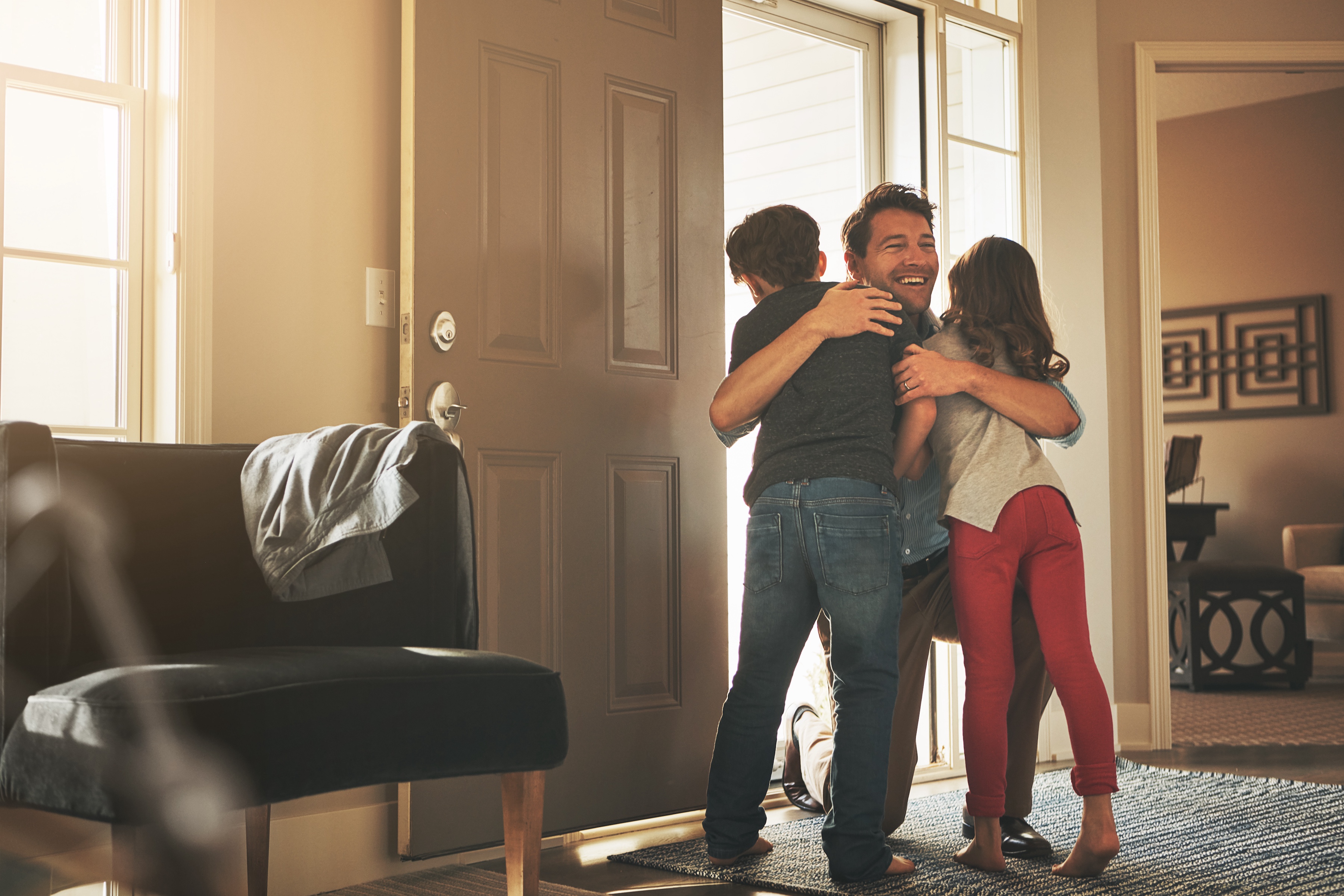
So every employee goes home safe. Every day.


Does this sound familiar?

Your safety program is held together by effort.

It probably still feels like it depends on people, not process.

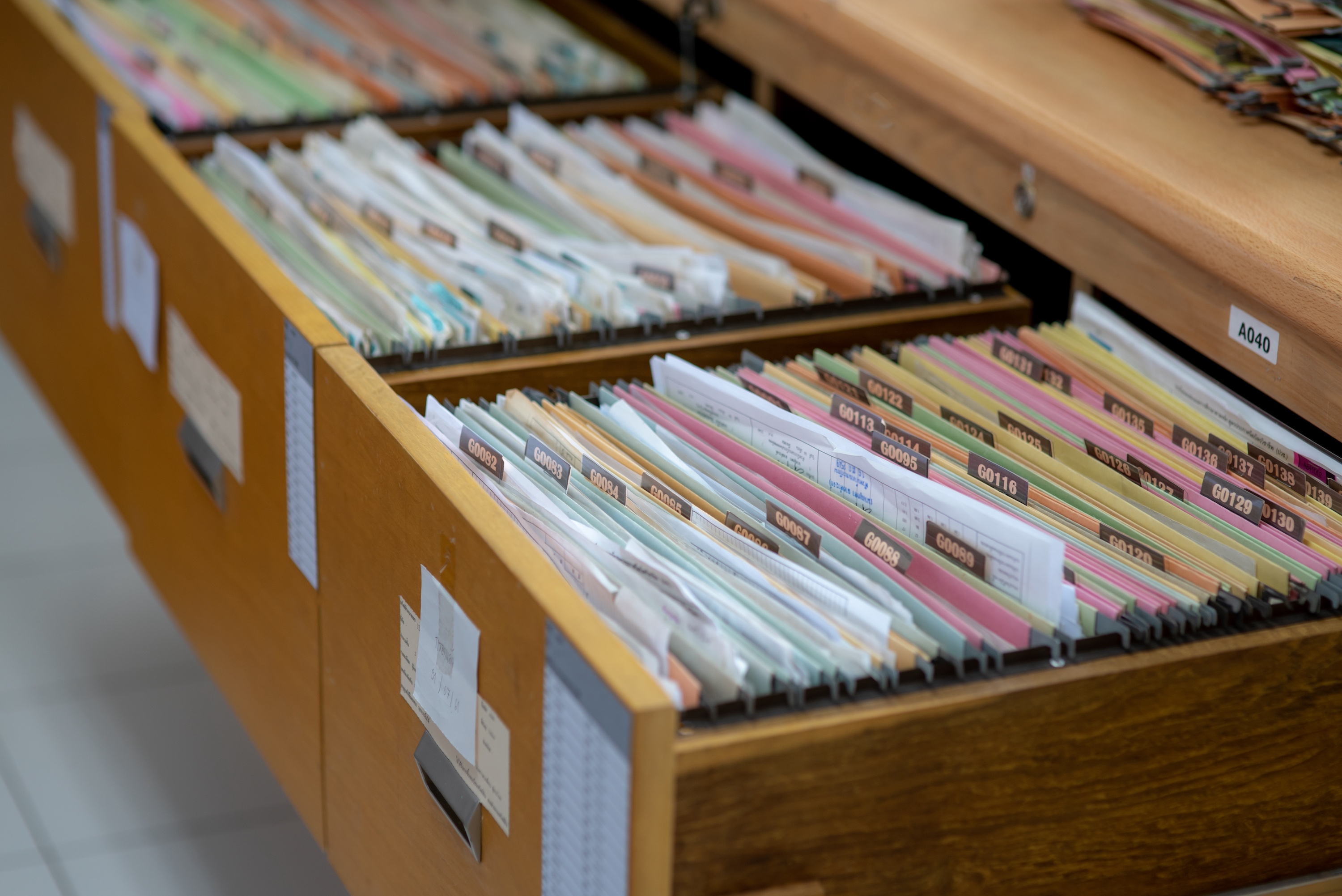
Three safety binders stacked on a deskOpen filing cabinet drawer full of folders

CARE Safety

Engineered for zero injuries.

  • Spreadsheets.
  • Email chains.
  • Forms stuffed into binders.
  • Inspection records nobody can find when they're needed.
  • Training documents stored in three different places.
  • Corrective actions tracked manually — if they're tracked at all.

And somehow, despite all of that, leadership still expects you to maintain a compliant, audit-ready, high-performing safety program.

It's exhausting.

Because deep down, you already know the truth:

What you have isn't really a system.

It's a collection of disconnected tools and manual workarounds being held together by a few people trying their best not to let anything fall through the cracks.

And that creates a constant pressure in the back of your mind:

"What happens if something serious happens tomorrow?"

Would the documentation hold up?

Would the investigation expose gaps nobody realized existed?

Would leadership discover the program depends almost entirely on a handful of individuals to function?

Because that's the real danger.

Not just the paperwork. Not just compliance.

The danger is that the safety program itself is fragile.

And even worse?

Most companies have no real way to improve.

They're doing everything right on paper. Incidents reported. Near misses logged. Inspections completed. But the data just… accumulates. With no clear picture of what it's actually saying.

The visibility isn't there. Where are the risks trending? Which departments are slipping? Which corrective actions are actually reducing exposure? There's no clear answer — because there's no system designed to provide one.

So the organization stays reactive.

Always responding to the next issue.

Always one incident behind.

You know safety can be better than this.

You know there's a difference between documenting safety …and engineering it.

That's why we built CARE Safety.

Engineered for Zero Injuries. So every employee goes home safe. Every day.
No Pitch. No Pressure.

Just an honest 15-minute conversation about where your program stands.


People just like you

These patterns show up everywhere.

These aren't edge cases. They're the patterns we see at every site, in every industry — teams doing their best with the wrong tools.

The Program That Lived Inside One Person's Head

One manufacturing site looked organized from the outside. They had binders, forms, procedures, and spreadsheets.

But in reality, the entire safety program depended on one experienced safety coordinator who knew where everything was and how all the pieces connected. Then that person went on leave.

Suddenly nobody knew:

  • Which inspections were overdue
  • Where training records were stored
  • Which corrective actions were still open
  • How incident follow-ups were being tracked

The program didn't fail because people didn't care. It failed because the system only existed inside one person's head.

"We realized we didn't have a safety system. We had a safety person."

What changed

CARE Safety helped centralize the entire process so the program could operate consistently — regardless of who was in the building.

The Company Collecting Data They Couldn't Use

Another site was doing “all the right things.” Incidents were documented. Inspections were completed. Observations were submitted.

But leadership still couldn't answer simple questions.

They kept asking:

  • Where is our highest risk right now?
  • What trends are getting worse?
  • Are our corrective actions actually working?
  • What should we focus on next?

They had information. But no visibility. And without visibility, there's no way to prevent — only react.

"We were drowning in data and starving for insight."

What changed

Once CARE Safety connected their inspections, incidents, actions, and reporting into one system, patterns finally became visible. For the first time, they could stop reacting and start preventing.

The Workers Who Worked Around the System

One organization invested heavily in software that looked impressive during the demo. But on the floor, employees hated using it.

The forms were complicated. The workflows were slow. Field workers bypassed the system whenever possible. And over time, participation collapsed.

The real problem:

  • Forms too complicated to fill out in the field
  • Workflows too slow for real-world pace
  • No mobile accessibility for frontline workers
  • Participation collapsed — and so did the program

Because if employees don't use the program consistently, the program doesn't exist.

"Safety only works when everyone participates."

What changed

CARE Safety was designed around real-world operations — simple workflows, mobile accessibility, offline capability, and tools employees can actually use without frustration.

No Pitch. No Pressure.

Just an honest 15-minute conversation about where your program stands.


It's not the paperwork

The real problem is structural.

Most organizations think their problem is paperwork. It's not. The real problem is that their safety program was never engineered as a connected system.

Nobody sat down and designed a fragile safety program. It just evolved that way — one spreadsheet, one binder, one email chain, one post-audit workaround, one post-incident form at a time — until the whole thing became dependent on people, not systems. And when safety depends on disconnected systems and a few key individuals, several dangerous things happen:

Knowledge becomes tribal
Critical processes and documentation exist in people's heads, not in systems. When they leave, the program fractures.
Visibility disappears
Leadership has no clear picture of where the real risks are — or how the program is actually performing.
Reporting becomes reactive
The focus shifts to documenting what already happened, not preventing what's next.
Trends stay hidden
Without connected data, patterns go undetected until an incident forces them to the surface.
Employees disengage
When safety feels like paperwork rather than a system that protects them, participation drops.
Leadership loses confidence
Answering basic questions about safety performance becomes difficult — or impossible.
Audits become stressful
Documentation is scattered, incomplete, or hard to locate under pressure.
Improvement becomes impossible
Without a clear baseline and connected data, there's nothing to systematically build on.
CARE Safety

"When there's no system behind the slogan, “zero injuries” is just a poster on the wall."

Randall Eikelboom Founder of CARE Safety

That's why organizations stay stuck for years.

Not because they don't care. Not because they aren't trying. But because they have no engineered process for:

Collecting meaningful safety data
Most programs gather data — but not the right data, and not consistently.
Understanding what the data is saying
Raw numbers without analysis don't tell you where the risk actually is.
Communicating risk clearly
Leadership can't act on information they can't see or understand.
Turning insight into prevention
The gap between identifying a risk and eliminating it stays open — indefinitely.

No Pitch. No Pressure.

Just an honest 15-minute conversation about where your program stands.


CARE Safety

"So every employee
goes home safe.
Every day."

The Zero Harm standard. CARE Safety

More than software

Introducing CARE Safety.

An engineered safety system designed to help organizations systematically move toward zero injuries.

CARE stands for:

C
Collect capture the right data, consistently.
A
Analyze identify where your highest risk actually is.
R
Report show what's improving—and what's not.
E
Eliminate take action on what matters most.

But CARE is more than software.

It's a philosophy that safety should operate as a living system across the organization — not as paperwork managed by a few exhausted people.

CARE Safety helps you replace disconnected spreadsheets, binders, and email chains with a connected, data-driven safety system that:

  • Employees actually use
  • Leadership can actually understand
  • Safety professionals can actually manage

And unlike enterprise platforms that require months of onboarding and constant IT dependency, CARE Safety is built for real manufacturing and industrial environments.

  • Fast implementation
  • Simple workflows
  • Offline capability
  • Flat pricing
  • Ongoing partnership from people who have actually lived your world

Because safety shouldn't collapse when one person leaves.

And safety data shouldn't sit unused in spreadsheets nobody reads.

No Pitch. No Pressure.

Just an honest 15-minute conversation about where your program stands.


Professional reviewing safety data on a tabletPerformance analytics and safety dashboard charts

CARE Safety

Engineered for zero injuries.

What you gain

This is what changes.

With CARE Safety, you gain a system — not just a tool.

  • Centralized safety system. Replaces disconnected spreadsheets, binders, and email chains with one connected platform.
  • Real-time visibility. Into incidents, inspections, training, corrective actions, and risk trends — all in one place.
  • Clear analytics. Understand where your real exposure exists, not just what was reported.
  • A practical roadmap. Toward measurable safety improvement and zero injuries — not just compliance.
  • Audit-ready documentation. Searchable, time-stamped, and accessible whenever you need it.
  • A system employees actually use. Designed for real-world operations — simple enough that nobody works around it.
  • Reduced dependence on key individuals. The program runs whether or not the right person is in the building.

Day-to-day

  • Faster reporting and decision-making
  • Less time spent chasing paperwork
  • More time spent improving safety performance
  • Better communication between leadership, supervisors, and employees
  • Increased confidence during audits, investigations, and leadership reviews

Most importantly…

You stop relying on effort alone

to hold the program together.

No Pitch. No Pressure.

Just an honest 15-minute conversation about where your program stands.


Built from real experience

Engineered from experience. Powered by

I didn't build CARE Safety because I wanted to start a software company. I built it because I got tired of watching good people fail inside broken systems.

Over 25+ years working in manufacturing environments at companies like Unilever Canada and Canada Bread, I kept seeing the same pattern repeat itself.

The Audit That Exposed Everything

I've seen organizations walk into audits believing they were prepared because the paperwork existed somewhere. Then the questions started.

And suddenly everyone was digging through binders, spreadsheets, email chains, filing cabinets, and shared drives — trying to reconstruct a system that only worked when certain people were around to hold it together.

The auditors asked:

  • Where's the latest version?
  • Who completed this corrective action?
  • Why wasn't this follow-up documented?
  • Can you prove the training happened?

That pressure is real. Because when the documentation falls apart, confidence falls apart with it.

"The program only worked when certain people were around to hold it together."

How CARE addresses this

CARE Safety gives you audit-ready documentation that is searchable, time-stamped, and accessible — so you're never scrambling to reconstruct what should already be visible.

The Program That Collapsed When One Person Left

I've watched safety programs operate entirely on tribal knowledge. One experienced person knew where the records were, which forms mattered, what needed follow-up, and which risks leadership should actually worry about.

And everyone assumed that meant the program was working. Until that person left. Then the cracks became visible immediately.

The organization hadn't built a system. They had built:

  • Dependence on one person's memory
  • Records only they could find
  • Workflows only they understood
  • A program that couldn't survive their absence

That's one of the biggest reasons CARE Safety exists today.

"A real safety program should survive turnover, growth, audits, and operational pressure. It should function as a system — not as heroics."

How CARE addresses this

CARE Safety centralizes knowledge, documentation, and workflows so the program operates consistently — regardless of who is in the building.

Drowning in Data, Starving for Direction

I also saw organizations collecting massive amounts of safety data with no meaningful way to use it. Incidents were logged. Inspections were completed. Observations were submitted.

But nobody could answer the questions that actually mattered.

Leadership kept asking:

  • Where is our highest risk?
  • What trends are emerging?
  • Which actions are actually improving safety?
  • How do we move toward zero injuries?

The data existed. But the visibility didn't. And without visibility, safety becomes reactive — documenting what already happened instead of preventing what comes next.

"Data should drive action. Not sit inside spreadsheets nobody understands."

How CARE addresses this

That frustration became the foundation for the CARE methodology — Collect, Analyze, Report, Eliminate — because data should drive prevention.

No Pitch. No Pressure.

Just an honest 15-minute conversation about where your program stands.


The founder

Engineered from real operations. Not theory.

I didn't build CARE Safety because I wanted to start a software company. I built it because I got tired of watching good people fail inside broken systems.

Over 25+ years working in manufacturing at companies like Unilever Canada and Canada Bread (Grupo Bimbo), I kept seeing the same pattern repeat itself. Good safety managers. Good intentions. Hard-working teams. But underneath it all — the safety program was fragile.

I'm an engineer by training and a safety professional by necessity: when you're responsible for real people in real plants, safety stops being a checkbox very quickly.

CARE Safety was built by someone who has:

  • Managed contractor safety programs end-to-end
  • Completed hundreds of equipment pre-start and machine guarding reviews
  • Sat on multiple Site Safety Leadership Committees
  • Served as Unilever's representative on Norfolk County's Emergency Management Plan
  • Defended safety investments to executives
  • Lived the pressure of being accountable for worker safety

And after decades of seeing the same failures repeat themselves, one belief became crystal clear:

If your safety program depends on spreadsheets, disconnected systems, and a few key people…

You don't have a sustainable safety system. You have operational exposure.

"So I built what I always wished I'd had: an engineered, data-driven, employee-driven safety system that doesn't depend on a hero to stay alive."

Our promise

We won't hand you software and disappear.

We'll partner with you to build a safety system that works in the real world — with your people, your operation, and your culture.

Our promise is simple. We help you build a safety program that:

  • Is easier to run
  • Creates real visibility
  • Engages employees
  • Supports leadership decisions
  • Reduces operational fragility
  • Systematically moves your organization toward zero injuries

Not overnight.

Not through slogans.

But through engineered systems, actionable data, and consistent improvement.

Get started

Schedule a free 15-minute discovery call.

In this conversation, we'll help identify:

  • Where your current safety system is most fragile
  • What operational gaps may be creating hidden exposure
  • Where your data is failing to provide meaningful insight
  • Whether CARE Safety is the right fit for your organization

If it's not a fit, we'll tell you honestly.

If it is, we'll schedule a deeper walkthrough of the system and discuss how CARE Safety can support your operation.

What's included

  • Discovery conversation
  • Review of current operational challenges
  • Discussion of visibility and reporting gaps
  • Initial guidance and recommendations
  • Live system walkthrough during follow-up conversations

Our guarantee

We understand the risk of changing systems.

That's why CARE Safety is built around reducing operational fragility — not increasing complexity.

If you commit to building your program with us, we guarantee your safety system will become:

  • More connected
  • More visible
  • More defensible
  • More sustainable
  • More actionable

And if it isn't, we'll continue working with you until it is.

Because we're not trying to become another software vendor. We're building long-term safety partnerships.

Why act now

Every day your program stays fragile, your exposure grows.

Every day your safety program remains dependent on:

  • Spreadsheets
  • Email chains
  • Paper forms
  • Tribal knowledge
  • Manual tracking
  • A few key individuals

…your exposure grows. Not just operationally.

Personally.

Because eventually one of two things happens:

1

You proactively engineer a better system.

or

2

The weaknesses get exposed for you during:

  • An incident
  • An audit
  • A regulatory investigation
  • A leadership review

And by then, it's too late to wish the program had stronger foundations.

You already know there are gaps.

You already know the current system isn't sustainable long term.

The question is whether you solve it now… before something forces the issue.

You don't need another disconnected tool.

You need a safety system engineered to help your people succeed.

A system that helps everyone participate.

A system that turns safety data into real action.

A system designed to move your organization toward zero injuries.

CARE Safety.

Engineered for Zero Injuries. So every employee goes home safe. Every day.

Ready to add CARE Safety to Your Program?

Discover how Care Safety can transform your safety programs.